By Rehab Specialist//0 Comments/Sports Massage
How Often Should Athletes Get a Sports Massage?
Not sure how regularly to book a sports massage? Here's how training load and goals should shape your schedule.
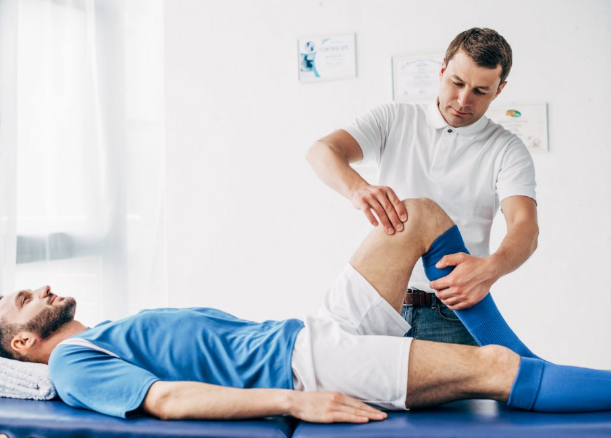
There's no single correct answer—it genuinely depends on your training load, goals, and how your body responds. But here's a practical way to think about frequency, whether you're training for a specific event or maintaining general fitness.
### It depends on what you're using it for
* **Post-event recovery:** A one-off sports massage after a race, match, or competition can help with muscle soreness and recovery; this doesn't need to be part of a regular schedule.
* **Ongoing training support:** If you're in a consistent training block, particularly building toward an event, sessions every 2–4 weeks are a common pattern, timed to support recovery between training blocks rather than interrupting them.
* **Injury prevention and maintenance:** Some athletes build sports massage into a regular routine specifically to catch areas of tightness or imbalance before they become a problem. This is less about a fixed schedule and more about staying ahead of issues as they develop.
* **Pre-event preparation:** A session in the days before a major event (not immediately before—timing matters) can help address any pre-existing tightness, though this should be planned with your therapist rather than left to the last minute.
### Signs it might be time to book
* Persistent muscle tightness that doesn't ease with normal recovery
* A specific area that keeps flaring up during or after training
* Reduced range of motion that's affecting your technique
* General muscle fatigue that's building up across a training block
### It's not a substitute for addressing the cause
Sports massage is genuinely useful for muscle tension relief and recovery, but if the same tightness or pain keeps returning, it's worth an assessment to understand what's actually causing it—technique, training load, or an underlying imbalance—rather than only treating the symptom repeatedly.
"Targeted physiotherapy assessments and customized home exercise programs play a vital role in regaining full functional mobility and long-term joint health."
Leave a Reply
Your email address will not be published. Required fields are marked *